
Understanding Addiction Symptoms: A Complete Guide to Early Detection and Prevention
Recognizing addiction symptoms early can dramatically improve treatment outcomes and protect individuals from the severe physical, emotional and social consequences of substance use disorders.
What Actually Happens in the Brain During Addiction?
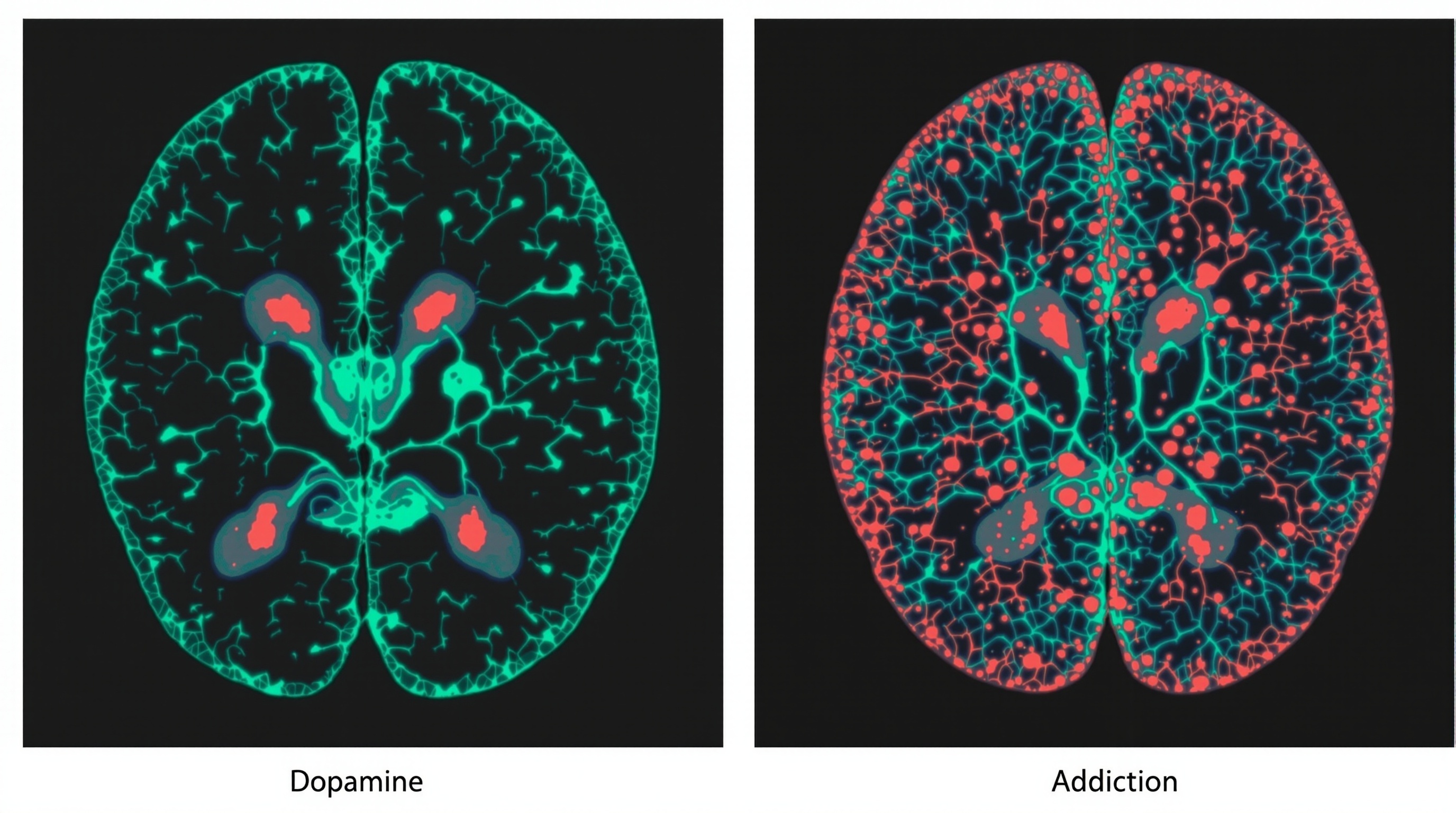
Addiction is more than a habit it is a chronic psychological and behavioral condition driven by compulsive dependence on a substance or activity. Repeated use stimulates the release of dopamine and serotonin, creating temporary pleasure. Over time, the brain adapts to these high levels, reducing sensitivity and making the person crave more. This leads to increasing tolerance and an inability to control urges, despite knowing the negative consequences.
These neurological changes explain why quitting feels almost impossible without professional support and why many individuals fall into cycles of guilt, depression and repeated attempts to stop.
Physical Addiction Symptoms: How the Body Warns You
Physical dependence occurs when the body adapts to a substance and becomes dependent on it to function normally. When use is reduced or stopped, withdrawal symptoms appear often severe enough to make abstinence extremely difficult. Common physical addiction symptoms include:
Significant weight loss or gain, sleep disturbances such as insomnia or excessive sleeping, persistent fatigue and low energy, tremors, sweating and unstable blood pressure, gastrointestinal issues, including nausea or diarrhea, and increased tolerance requiring higher doses.
These symptoms, especially when combined, are strong indicators that the body has adapted to the substance and cannot function normally without it.
Psychological Addiction Symptoms: The Invisible Side of Dependence
Psychological addiction refers to an emotional and mental dependence on a substance or behavior. In this form of addiction, the individual feels a strong urge to use the substance or repeat the behavior in order to cope with stress, anxiety or emotional discomfort. There may be no physical withdrawal at first, but the emotional need becomes increasingly powerful.
Common examples include gambling, social media use, online gaming and certain substances. The person may feel restless, anxious or empty when unable to engage in the addictive behavior. Over time, this reliance becomes the primary way of managing emotions, making everyday life difficult without it.
Symptoms of Psychological Addiction
Psychological addiction symptoms often appear early and are easily overlooked. These symptoms include persistent cravings, mood swings, anxiety, depression and a constant preoccupation with the substance or behavior. Individuals may lose interest in daily activities, withdraw socially and experience guilt or shame after use.
Because these symptoms are not always physically visible, they are often mistaken for stress or temporary emotional problems. Without treatment, psychological addiction can gradually progress into physical dependence.
Behavioral Signs of Addiction: What Families Often Notice First
Even before physical and psychological symptoms appear, changes in behavior often serve as early warning signs. These behavioral addiction symptoms include obsession with obtaining the substance, using more frequently or in larger amounts, losing control despite wanting to stop, ignoring responsibilities at work or school, and lying, secrecy or unexplained financial problems.
Such behaviors indicate that addiction is influencing decision-making and self-control, affecting both personal stability and relationships.
How Addiction Impacts Daily Life and Family Dynamics
As addiction progresses, its consequences spread to every part of life. Individuals may struggle with academic performance, decreased productivity, neglected hygiene, social isolation and emotional instability. Families often experience stress, worry and confusion as the person withdraws and becomes increasingly inconsistent.
Severe cases may lead to financial strain, emotional conflicts and long-term psychological effects on family members, especially children.
How to Detect Addiction in Its Early Stages
Early detection greatly increases the chance of successful recovery. Indicators include rapid personality changes, decline in school or work performance, unusual requests for money, red eyes, fatigue or sudden weight changes, and avoiding social interactions or family events.
Parents and loved ones should monitor these signs carefully. Open communication and supportive intervention, rather than punishment or criticism, are essential.
When Should Someone Seek Professional Help?
Professional help becomes necessary when addiction symptoms begin to affect daily functioning or emotional well-being. Treatment may include medical detox to manage withdrawal, Cognitive Behavioral Therapy (CBT) to address psychological dependence, lifestyle changes to rebuild healthy habits, and social support systems to prevent relapse.
With early detection, structured treatment and long-term commitment, full recovery from addiction is absolutely possible.